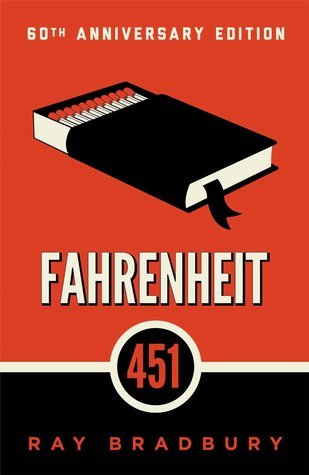
| Book name: | Fahrenheit 451 (2024) |
| Category: | Fiction |
| Author: | Ray Bradbury |
| Pages: | 194 pages |
| Language: | English |
| Publication data: | Dec. 6, 2011, 8 a.m. |
Fahrenheit 451 is a compelling novel by Ray Bradbury that transports readers to a future dystopian society where books are outlawed, and the very act of thinking critically is discouraged. Published in 1953, it remains a quintessential classic that delves into themes of censorship, technology, and the loss of individuality.
At the heart of the story is Guy Montag, a fireman whose job is ironically not to put out fires, but to ignite them, specifically targeting books. In this oppressive society, the written word is seen as a source of discord and unhappiness; thus, it is obliterated by fire, symbolizing an extreme form of censorship. Montag has never questioned the norm until he meets Clarisse McClellan, a young woman whose free-spirited nature and curiosity about the world open his eyes to the emptiness of his existence.
The novel explores several profound themes, the most salient being the danger of censorship. Bradbury's society illustrates a world where information is tightly controlled and critical thinking is not only discouraged but perceived as a threat. The act of burning books becomes a powerful metaphor for the suppression of dissent and the homogenization of thought. The author questions the consequences of a society that values comfort over truth, and in doing so, creates a world devoid of genuine connections and deep understanding.
Another dominant theme is the growing influence of technology. Bradbury poignantly critiques the rapid advancement of media and entertainment technologies, suggesting how they can be used to distract and numb the populace into compliance. In the world of Fahrenheit 451, people are absorbed by immersive screens and audio devices, replacing genuine experiences and interactions with artificial ones. This reflects upon our own real-world concerns about technology’s role in our lives and its potential to erode our capacity for independent thought.
As Montag journeys from a conforming fireman to a defiant seeker of knowledge, Bradbury ingeniously evokes the importance of literature and critical thinking. Montag's transformation is fueled by his encounters with characters who symbolize hope and resistance, such as the wise ex-professor Faber, and the rebellious group of intellectuals who preserve books by memorization. These interactions serve as a testament to human resilience and the enduring power of books to inspire change.
The book's exploration of these themes makes it a timeless piece, serving as both a warning and a call to action for readers to cherish and protect their freedoms. The chilling vision of a future where individual thought is punished, and conformity is mandated forces readers to examine their current reality and the value they place on knowledge and independent thought.
Bradbury's masterful prose, combined with the gripping narrative, creates an unforgettable reading experience. His foresight into issues like mass media, technology, and censorship is both prescient and ironically prophetic, ensuring 'Fahrenheit 451' remains relevant to every generation.
Ultimately, Fahrenheit 451 is much more than a story about burning books; it’s an impassioned plea for the preservation of intellectual freedom. As this powerful tale resonates through the decades, Bradbury implores readers to reflect on the importance of curating their thoughts, questioning the status quo, and embracing the fullness of their humanity in a world that too often encourages uniformity and ignorance.