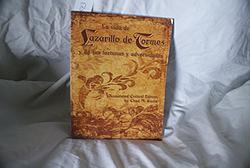
This classic Spanish novella follows the life of a young boy named Lázaro, who navigates a harsh and unforgiving world through a series of masters, each representing different facets of society. Born into poverty, Lázaro uses his wit and cunning to survive as he serves various employers, including a blind beggar, a miserly priest, and a corrupt squire. Through his experiences, the story offers a satirical critique of the social and religious institutions of 16th-century Spain, highlighting themes of hypocrisy, deception, and resilience. The narrative is presented as a first-person account, allowing readers to intimately experience Lázaro's journey from innocence to a more cynical understanding of the world.
Books can be attributed to "Anonymous" for several reasons:
* They are officially published under that name * They are traditional stories not attributed to a specific author * They are religious texts not generally attributed to a specific author
Books whose authorship is merely uncertain should be attributed to Unknown.