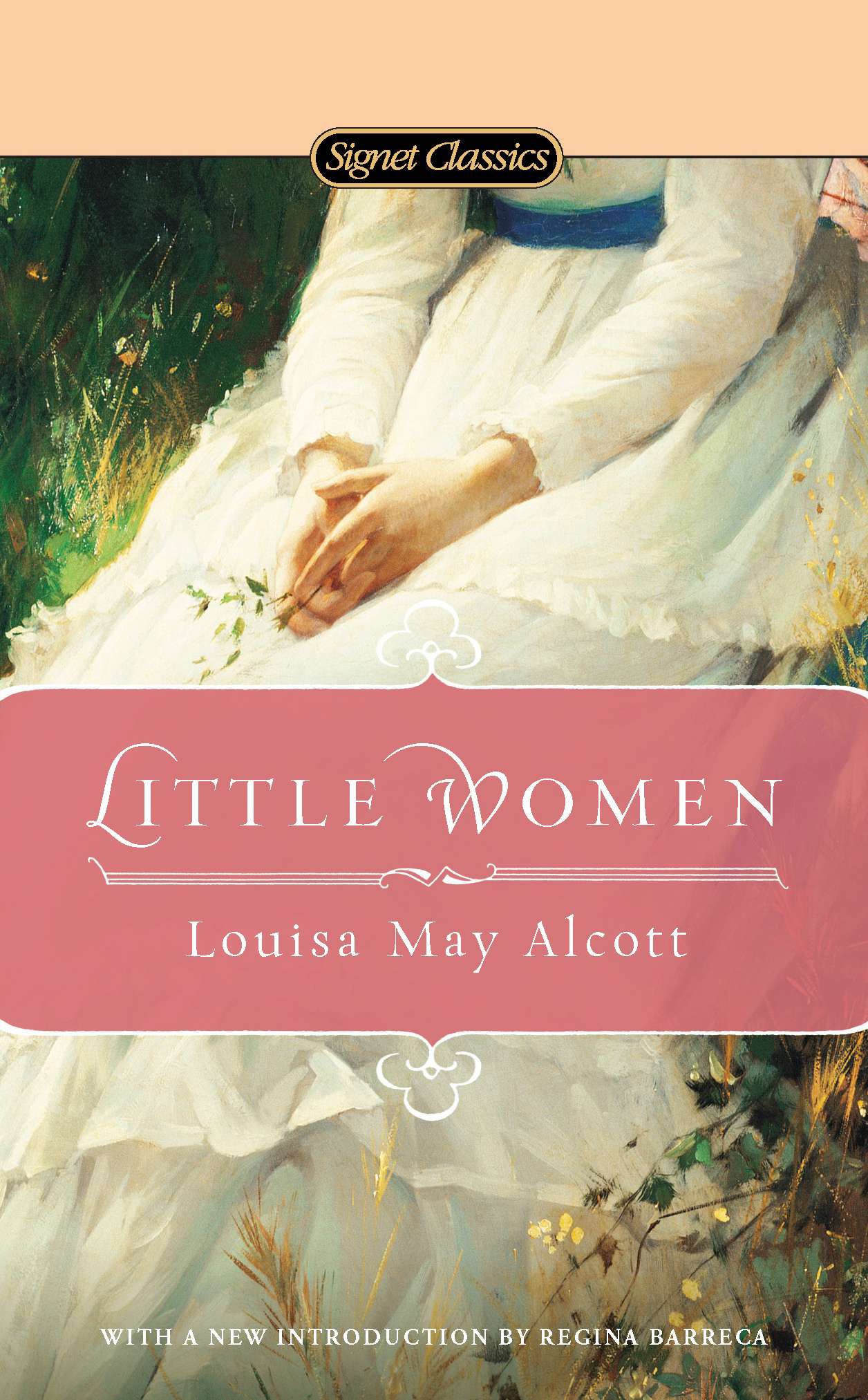
| Book name: | Little Women (2024) |
| Category: | Fiction |
| Author: | Louisa May Alcott |
| Pages: | 449 pages |
| Language: | English |
| Publication data: | April 6, 2004, 7 a.m. |
Little Women is a timeless classic novel by Louisa May Alcott that captures the essence of family, love, and personal growth during the transformative period of the 19th century. Published in two volumes in 1868 and 1869, this novel has endured for its rich depiction of sisterhood and the trials and triumphs of the March family.
The novel is set against the backdrop of the American Civil War, focusing on the lives of the four March sisters—Meg, Jo, Beth, and Amy. Each sister embodies distinct characteristics and ambitions, making their journey relatable to a diverse audience. Meg, the eldest, is nurturing and responsible, dreams of a conventional life with marriage and children. Jo, the spirited and tomboyish second sister, yearns for independence and a career as a writer. Beth, quiet and selfless, finds joy in music and the domestic sphere, while Amy, the youngest, aspires to art and social prominence.
The story explores key themes such as family bonding, the importance of personal growth, and the search for individual identity. Despite being deeply rooted in its historical setting, the novel’s themes resonate with modern readers. Alcott deftly portrays the transition from childhood to womanhood, illustrating how the sisters navigate the challenges of life, such as poverty, rivalry, love, and death. The novel also critiques the traditional roles of women in society while advocating for women's intellectual and personal freedom.
A notable aspect of Little Women is its focus on the value of domesticity and the significance of the familial unit. The strong moral values instilled by the sisters’ mother, Marmee March, influence their decisions and lives. Her guidance and support provide the sisters with the wisdom to form their own paths while maintaining their bond of sisterhood. This familial emphasis is one of the reasons why the novel continues to connect with readers from various cultural and social backgrounds.
Moreover, Alcott's writing reflects autobiographical elements, as she injects her progressive views and experiences into her characters. Jo March, in particular, is often seen as a reflection of Alcott herself—a woman challenging the conventions of her time. This personal touch renders the narrative authentic and engrossing.
Key points in the progression of the plot include Jo’s literary aspirations and challenges, Meg's struggle to balance societal expectations with her personal desires, Beth's sacrifice and illness, and Amy’s artistic pursuits leading her to Europe. Each sister’s growth is interwoven with the others, highlighting their interdependency and shared development amid individual trials. Through vivid characterizations and enduring themes, Little Women remains a compelling exploration of feminine strength and ambition.
In essence, Little Women is not merely a coming-of-age story; it is a celebration of empathy, passion, and resilience. As we accompany the March sisters on their journey, we are reminded of our capacity for kindness, the significance of following our dreams, and the powerful bond of family. Louisa May Alcott’s masterful storytelling ensures that the novel remains a cherished piece of literature, inspiring countless generations of readers and adaptations in various forms, including film, stage, and television.