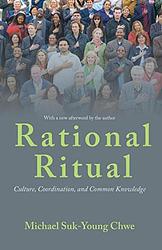
The book explores the concept of common knowledge and its crucial role in facilitating coordination among individuals and groups. It delves into how rituals, ceremonies, and public events serve as mechanisms for creating shared understanding and expectations, enabling people to align their actions with others. By examining historical and contemporary examples, the book illustrates how these social practices help solve coordination problems by making information widely known and acknowledged, thus enhancing collective decision-making and cooperation.