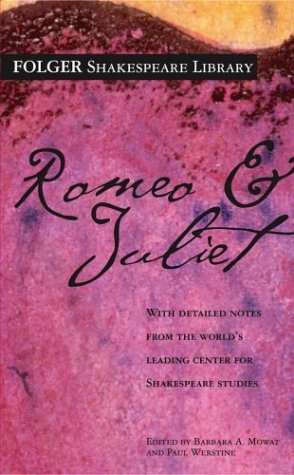
| Book name: | Romeo and Juliet (2024) |
| Category: | Plays |
| Author: | William Shakespeare |
| Pages: | 281 pages |
| Language: | English |
| Publication data: | Jan. 1, 2002, 8 a.m. |
Romeo and Juliet, a timeless literary classic by William Shakespeare, is a poignant tale of love and tragedy that has captivated audiences for centuries. Set in the ancient city of Verona, this heartbreaking story follows the profound yet tumultuous romance between two young lovers, Romeo Montague and Juliet Capulet. Their love story unfolds against the backdrop of an intense feud between their powerful families, highlighting the destructive nature of division and hatred.
At the heart of the play is the central theme of love. Shakespeare explores love in its myriad forms, from passionate and impetuous to pure and sacrificial. Romeo and Juliet’s adoration for each other is portrayed as immediate and overwhelming, often leading them to act impulsively—a trademark of many youthful romances and one that ultimately leads to their tragic demise. This depiction of love is further contrasted with the familial love and platonic bonds shared with friends and mentors.
Another prominent theme is the destructive power of feuds and hatred. The animosity between the Montagues and Capulets serves as both a literal and figurative barrier to Romeo and Juliet's union. Shakespeare masterfully illustrates how deeply ingrained animosities can destroy the most profound emotional connections and create ripples of tragedy beyond the initial conflict. This family feud ultimately sets the stage for one of the most memorable tragic endings in literature.
One of the key points of the play is the concept of inevitability and fate. The notion that Romeo and Juliet are "star-crossed lovers" hints at the role of fate in the unfolding of their story. Shakespeare weaves a narrative where destiny plays a crucial role, suggesting that their tragic ending was inevitable from the start. This has sparked centuries of debate and analysis on the extent to which fate versus personal choice governs the lives of individuals.
Aiding the drama is Shakespeare's use of dramatic devices such as foreshadowing, irony, and metaphorical language. The play opens with a dramatic prologue that foretells the ill-fated lovers' destiny, setting the tone for the inevitable conclusion. The playwright's use of irony—where characters unwittingly plant the seeds of their own doom—adds depth and poignancy to the narrative, encouraging readers to reflect on the complexities of life and love.
Shakespeare also delves into youth versus age, showcasing the naivety and passion of young love in stark contrast to the more jaded perspectives of the older generation. The spirited impulsiveness of Romeo and Juliet starkly contrasts with the pragmatic and often cynical views of their parents and guardians, further emphasizing the divide between youthful idealism and world-worn realism.
Part of what makes Romeo and Juliet enduringly popular is its universal appeal. The themes of love, conflict, and destiny resonate across time, making it relevant to every generation. From its lyrical exploration of love to the stark portrayal of its consequences, the play offers readers a deep emotional experience, imbued with lessons on the power of passion, the dangers of hatred, and the inescapable force of fate.
The cultural impact of Romeo and Juliet is vast, having inspired countless adaptations in theater, film, and literature. Its exploration of young love continues to resonate with audiences, transcending the barriers of time, culture, and language. This literary masterpiece invites readers to reflect on the complexities of human emotions and the consequences of our choices.
Ultimately, Romeo and Juliet is more than just a story of two ill-fated lovers. It is a meditation on love and enmity, youth and age, and the inexorable march of fate. With its intricate plot, rich characterizations, and profound themes, Romeo and Juliet remains not only a monumental work of literature but also a reflection on the timeless human experiences it so vividly portrays.