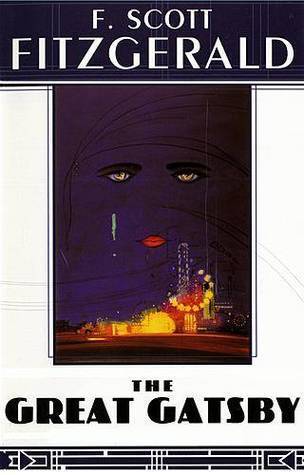
| Book name: | The Great Gatsby (2024) |
| Category: | Fiction |
| Author: | F. Scott Fitzgerald |
| Pages: | 180 pages |
| Language: | English |
| Publication data: | Jan. 1, 1925, 8 a.m. |
The Great Gatsby, written by the illustrious F. Scott Fitzgerald, is a cornerstone of American literature that has captivated readers since its publication in 1925. Set during the Roaring Twenties, a period of unprecedented economic prosperity and cultural flourishing in the United States, the novel paints a vivid picture of the dazzling and decadent lifestyle of the era. It not only immerses readers in the glittering world of jazz, flappers, and prohibition but also delves deep into the human spirit, exploring themes that are as relevant today as they were nearly a century ago.
The story revolves around the enigmatic and wealthy Jay Gatsby, who resides in a grand mansion in the fictional village of West Egg on Long Island. Gatsby is renowned for his extravagant parties, where the rich and famous flock every weekend, yet he remains a mysterious figure shrouded in rumors. The novel is narrated by Nick Carraway, a Yale graduate and World War I veteran, who rents a small house next to Gatsby's opulent estate. Through Nick’s eyes, we witness the unraveling of Gatsby’s deep obsession and love for Daisy Buchanan, Nick's beautiful cousin, and a symbol of Gatsby's unreachable dreams.
One of the central themes of the novel is the American Dream—the idea that anyone, regardless of their origins, can achieve success and prosperity through hard work and determination. However, Fitzgerald offers a poignant critique of this dream, showcasing its corruption by materialism and greed. Gatsby, in his pursuit of wealth to win back Daisy’s love, illustrates both the heights of aspiration and the depths of disillusionment. This duality highlights the harsh reality that the dream can sometimes lead to destruction rather than fulfillment.
Another significant theme is the concept of illusion versus reality. Gatsby’s entire persona is built on illusions—his wealth, his past, and even his identity are all manufactured to fit a narrative that he believes will win him Daisy. The novel questions the authenticity of social status and the facade of happiness that money can provide. As the story unfolds, the reader uncovers the stark contrast between Gatsby’s idealized world and the harsh truths lurking beneath the surface.
The theme of love and obsession is also intricately woven into the narrative. Gatsby’s infatuation with Daisy is not merely love, but an obsession that consumes his entire being. It raises questions about the nature of true love versus the idealized projections we create. Daisy, on the other hand, represents the unattainable and ephemeral nature of such desires, showing her own complexity as a character torn between love and social obligations.
Through Fitzgerald’s exquisite use of language and symbolism, The Great Gatsby explores the dichotomy of hope and despair. Symbolic elements, such as the green light at the end of Daisy's dock, represent Gatsby’s unwavering hope, while the desolate Valley of Ashes stands as a stark contrast, symbolizing moral and social decay in the pursuit of wealth.
The novel’s setting in the summer of 1922—a time of unprecedented change and upheaval—captures the vitality and recklessness of the era. The Jazz Age, with its loosening social norms and economic excess, serves as a backdrop for exploring the tensions between old money and new money, and the changing landscape of American society. Through the lives of its characters, particularly Gatsby, Daisy, and the Buchanans, Fitzgerald intricately examines the impact of these societal shifts.
The Great Gatsby remains a timeless reflection on human aspiration and the ultimate quest for authenticity in an ever-changing world. Its profound insights and masterful storytelling continue to resonate with audiences, inviting each reader to consider the complexities of their own dreams and realities. As we navigate the intricacies of love, ambition, and societal expectations, Fitzgerald's novel serves as a poignant reminder of the price we might pay when the line between illusion and reality blurs.