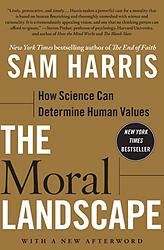
The book explores the idea that science can and should be an authority on moral issues, challenging the traditional separation between science and human values. It argues that moral truths exist and can be understood through empirical means, suggesting that well-being can be objectively measured and that moral decisions can be guided by scientific understanding. The author contends that moral relativism is flawed and that a scientific approach to ethics can lead to a more rational and beneficial society. Through this framework, the book seeks to redefine the relationship between science and morality, advocating for a world where human flourishing is the ultimate moral goal.