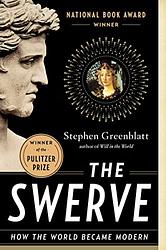
The book explores the rediscovery of a long-lost poem by Lucretius, "On the Nature of Things," in the 15th century by an Italian humanist and book hunter. This poem's rediscovery, according to the book, led to a monumental shift in cultural and philosophical thought, paving the way for the Renaissance, the Enlightenment, and modern science. The book delves into the poem's content, which challenges religious dogma and promotes a world driven by natural laws and human innovation, and its profound influence on thinkers and artists for centuries.
The 4982nd greatest book of all time
Stephen Greenblatt (Ph.D. Yale) is Cogan University Professor of English and American Literature and Language at Harvard University. Also General Editor of The Norton Anthology of English Literature, Eighth Edition, he is the author of nine books, including Will in the World: How Shakespeare Became Shakespeare; Hamlet in Purgatory; Practicing New Historicism; Marvelous Possessions: The Wonder of the New World; Learning to Curse: Essays in Early Modern Culture; and The Swerve: How the World Beca…Read more