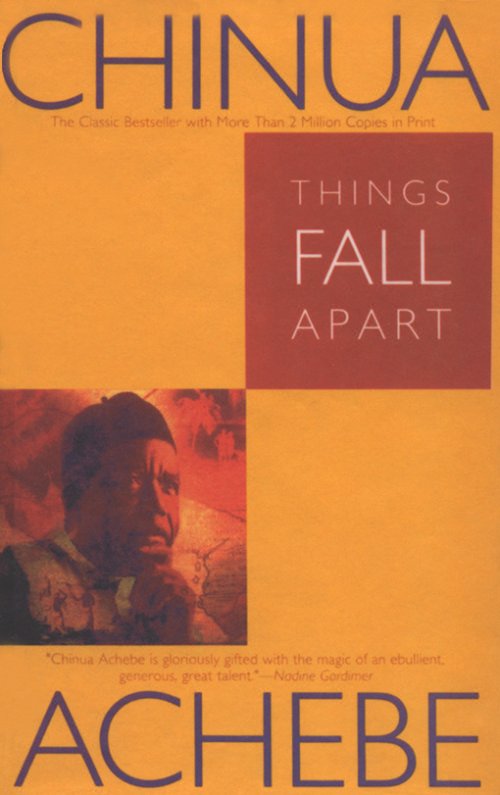
| Book name: | Things Fall Apart (2024) |
| Category: | Fiction |
| Author: | Chinua Achebe |
| Pages: | 215 pages |
| Language: | English |
| Publication data: | Oct. 1, 1994, 7 a.m. |
Things Fall Apart by Chinua Achebe is a landmark novel that depicts the clash between traditional African culture and the imposition of Western values. Published in 1958, the book offers a profound insight into the life of an African village on the verge of colonial transformation.
Introduction: Set in pre-colonial Nigeria, Things Fall Apart tells the story of Okonkwo, a respected leader and warrior in the Igbo community of Umuofia. The novel is not only an engaging narrative about his life but also a poignant reflection on the struggle between tradition and change. Okonkwo strives to maintain his status and values amidst growing pressure from outside forces challenging their way of life.
Main Themes: Several major themes are woven throughout the narrative. One of the key themes is the conflict between tradition and change. This theme is evident as Okonkwo's fear of losing his cultural heritage clashes with the onset of colonial influence. Another important theme is masculinity and power as Okonkwo's perception of manhood drives much of his actions and decisions, leading to both triumphs and tragedies. Also, the theme of fate versus free will emerges as the characters navigate their roles within the community and the changes imposed by colonial rule.
Key Points: The narrative begins with Okonkwo's rise to prominence in Umuofia, highlighting his determination and intense ambition, stemming from his desire to contradict his father's perceived failures. This sets the stage for his eventual downfall, encapsulating the novel’s tragedy. Achebe's meticulous depiction of Igbo customs, social roles, and spirituality showcases the richness of African cultural traditions before they are altered by external influences.
The arrival of European missionaries and colonial government not only threatens the dismantling of traditional structures but also introduces a new religion that divides the tribe. This underlines Achebe's critique of colonialism, capturing both the allure and destruction it brings. As external pressures mount, Okonkwo's rigid adherence to traditional values positions him at odds with changing societal dynamics, culminating in a personal and communal crisis.
Through its rich storytelling, Things Fall Apart transcends the narrative of a single man’s life to offer a broader commentary on the impact of cultural collision and the inevitable transformation ensuing from colonialism. Achebe’s vivid prose and compelling characters provide profound insights into the struggle for identity amidst rapid changes, reflecting both the resilience and vulnerability of the human spirit.
The novel expertly positions readers at the intersection of history and literature, offering a deep understanding of African society and the ripples of colonial impact. As a cornerstone of African literature, Chinua Achebe has crafted a timeless tale that continues to resonate with readers, inviting them to reflect on cultural identity, power, and the nature of change.